


A successful website redesign starts long before the first homepage mockup is created. Before we discuss layouts, colors, functionality, or content, we start with a kickoff meeting. This conversation helps us understand your institution, your audience, your goals, and the challenges you’re trying to solve. The more we learn upfront, the more strategic and effective the final website will be.
If you’re preparing for a website redesign, here are some of the questions we’re likely to ask and why the answers matter.
1. Why Are You Redesigning Your Website?
One of the first things we’ll want to understand is what prompted the redesign. Maybe your website feels outdated, doesn’t reflect your current brand, or has become difficult to maintain. In some cases, there are more specific challenges behind the project. Perhaps online loan applications aren’t meeting expectations, visitors struggle to find important information, or your current site simply isn’t supporting your institution’s goals the way it should.
Understanding the reason for the redesign helps us focus on solving the right problems rather than simply creating a new look.
2. What Are Your Goals for the New Website?
Every website should be designed with a purpose. For some financial institutions, that purpose may be increasing mortgage, auto loan, or account applications. Others may want to encourage users to download the mobile app, complete forms online, or reduce routine phone calls by making information such as routing numbers, branch hours, forms, and wire instructions easier to find online
We’ll also discuss user experience goals. If visitors struggle to navigate your website on their phones or online applications aren’t mobile-friendly, those issues should be addressed as part of the redesign. Since many users visit financial institution websites from a mobile device first, understanding both your business goals and mobile experience priorities helps us create a website that supports them.
3. Who Is Your Target Audience?
One of the most important things we discuss is who your website should be speaking to. For some institutions, the audience may be broad. For others, it may be much more defined. Maybe your credit union primarily serves teachers, healthcare workers, first responders, or government employees. Perhaps you’re focused on young professionals, growing families, retirees, or a specific geographic region.
Understanding your audience helps us make better decisions about content, messaging, imagery, and functionality throughout the website.
For example:
- A credit union serving teachers may want to highlight educator benefits, classroom-related loan programs, or community involvement with local schools.
- A community bank focused on retirees may prioritize larger text, simplified navigation, and easy access to branch information.
- An institution targeting younger account holders may place greater emphasis on mobile banking, digital tools, and online account opening.
- A regional financial institution may want local photography, community-focused messaging, and location-based content throughout the site.
The better we understand who you’re trying to reach, the better we can create a website experience that feels relevant and personal to those visitors.
4. What Is Working and Not Working on Your Current Website?
Your current website often reveals the greatest opportunities for improvement. If staff frequently receive calls asking for your routing number, visitors struggle to find forms, or account holders have trouble locating branch information or loan payment resources, that’s valuable information for our team. We’ll also discuss pages that perform well, common complaints, and recurring questions your staff hears every day so we can identify opportunities to improve the user experience.
Sometimes these conversations uncover issues that analytics alone would never reveal.
5. What Products, Services, or Information Are Most Important?
Not everything can be the top priority. If growing your mortgage loans are a strategic goal, that should influence the homepage, navigation, and content strategy. If your focus is business banking, commercial lending, wealth management, or promoting digital banking services, those priorities should be reflected throughout the website.
Understanding what’s most important to your organization helps us determine where visitors should be directed and what deserves the most visibility across the site.
6. Who Are Your Competitors?
Understanding your competitive landscape helps us identify opportunities to differentiate your institution. We’ll often review neighboring banks, local credit unions, and regional or national competitors to better understand what users in your market are seeing elsewhere.
Just as importantly, we’ll want to know what you don’t want your redesign to look like. Maybe every institution in your area uses the same photography style, icon set, or design trends. It’s helpful to understand what competitors are doing in order to create your website that feels authentic to your brand and stands apart from the competition.
7. Are There Websites You Like or Dislike?
One of the easiest ways to communicate design preferences is by sharing examples. Don’t worry about finding the perfect website. Most clients pull inspiration from several different sources.
Maybe you love the clean use of white space on one website, the homepage layout of another, and the footer organization of a third. Perhaps there’s a website with a modular, card-based design you find easy to browse, or a navigation structure that feels intuitive. You might even like how one website presents loan products but prefer the imagery or content organization from somewhere else. We also encourage clients to show us examples you do not like.
- Clean use of white space | Bank of Pontiac
- Emphasis on Membership | Illiana
- Simplified navigation | Red River FCU
- Card-based content organization | Hibbing
- Rates and product presentation | Century CU
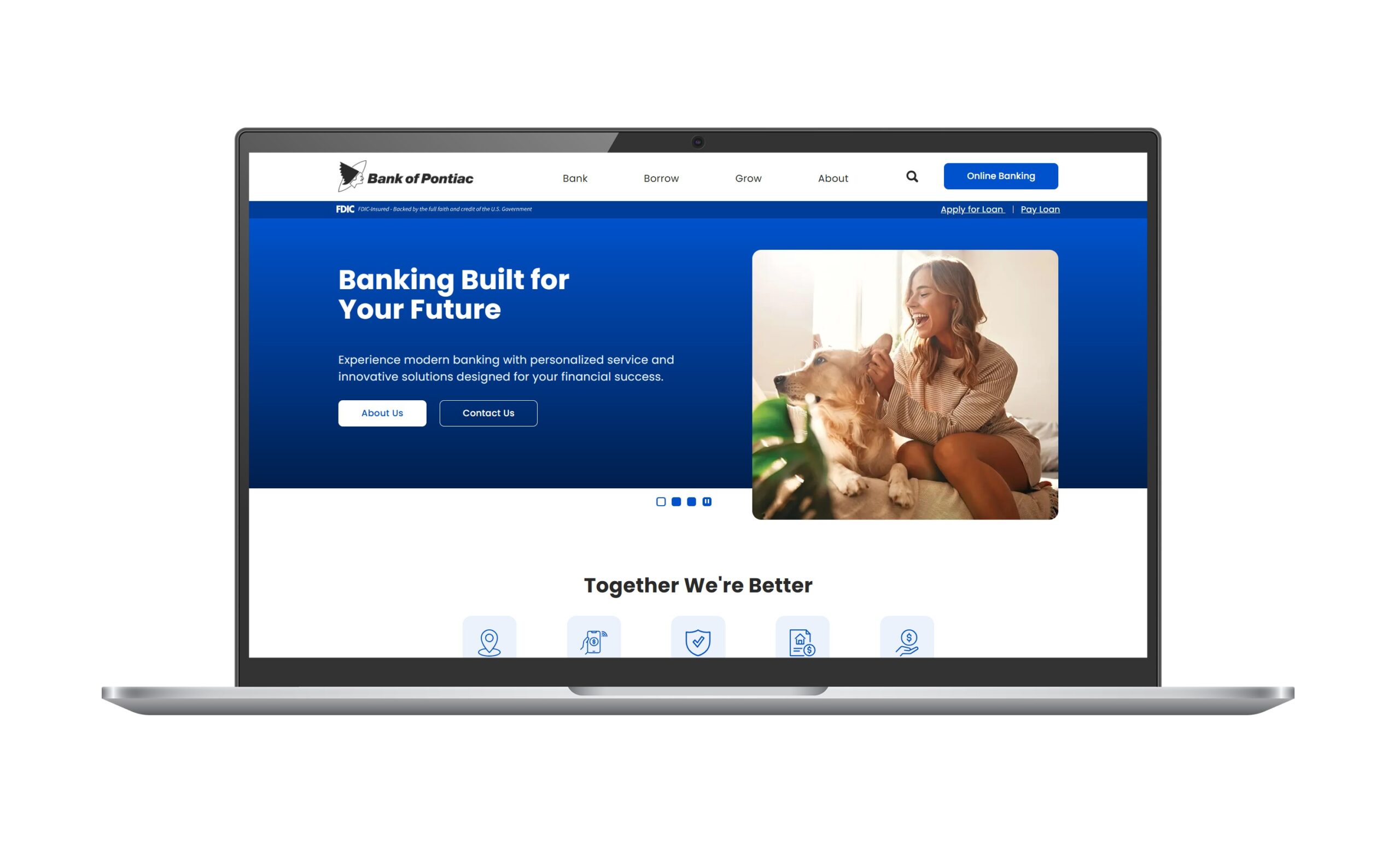
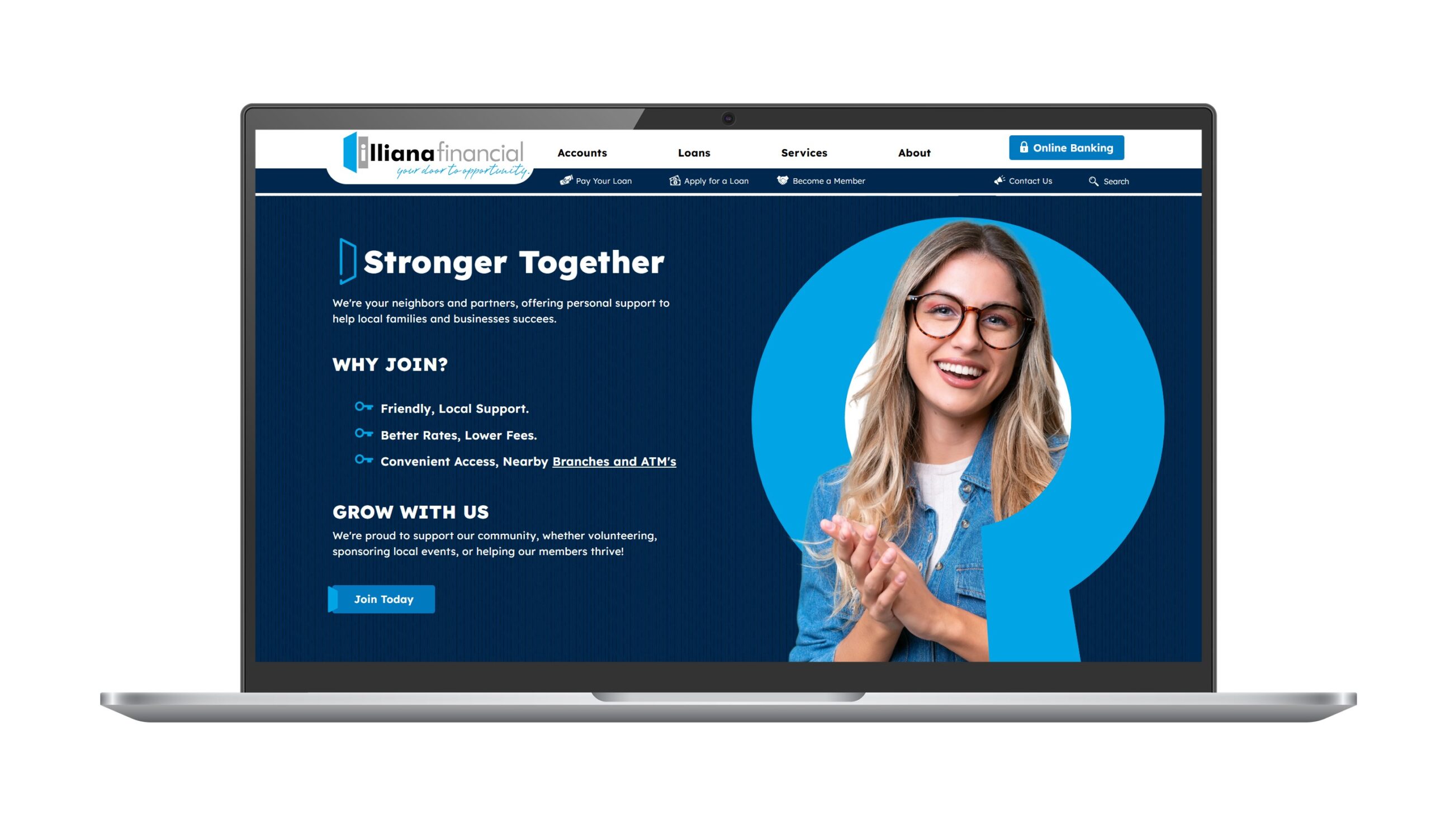
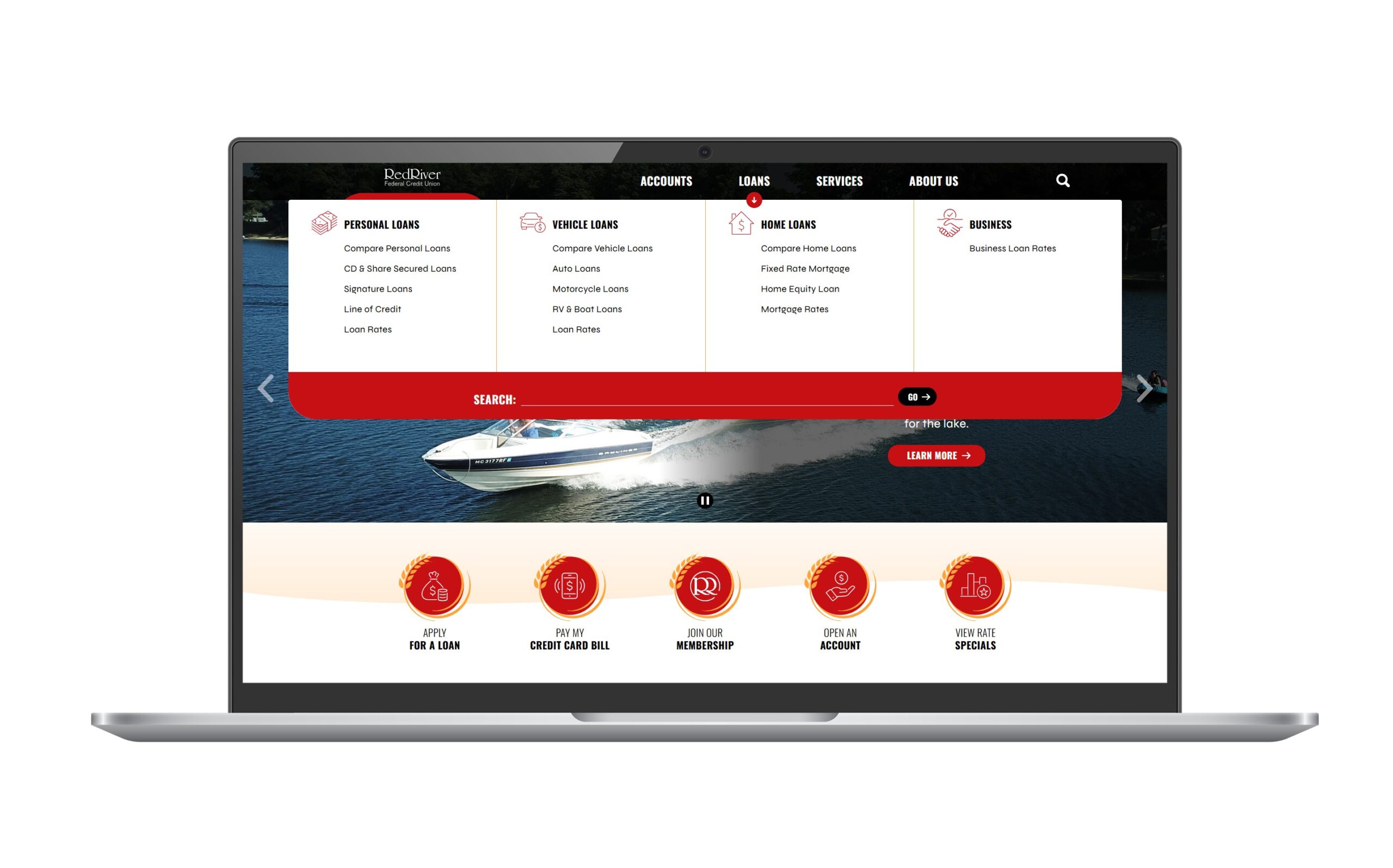
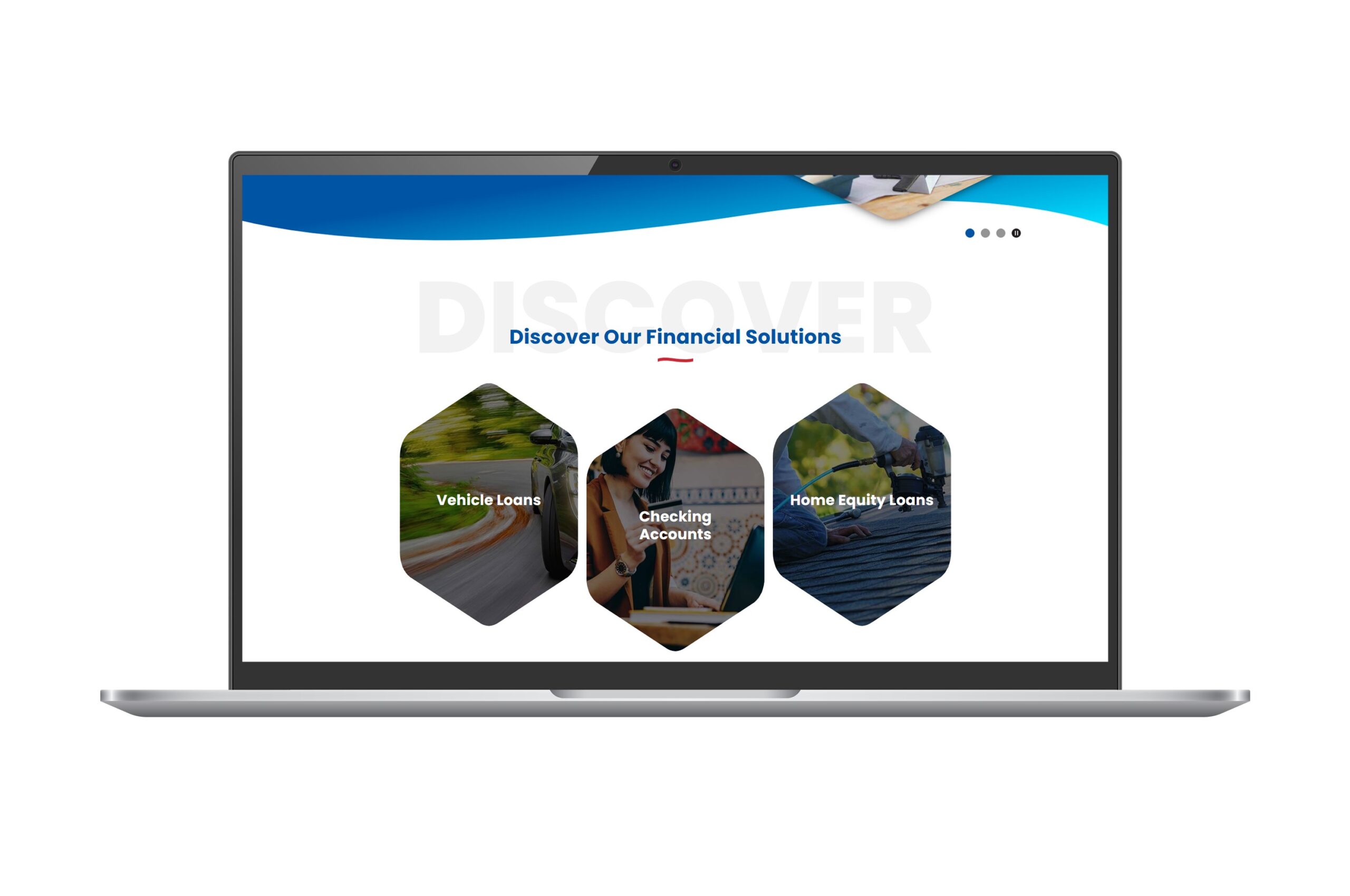
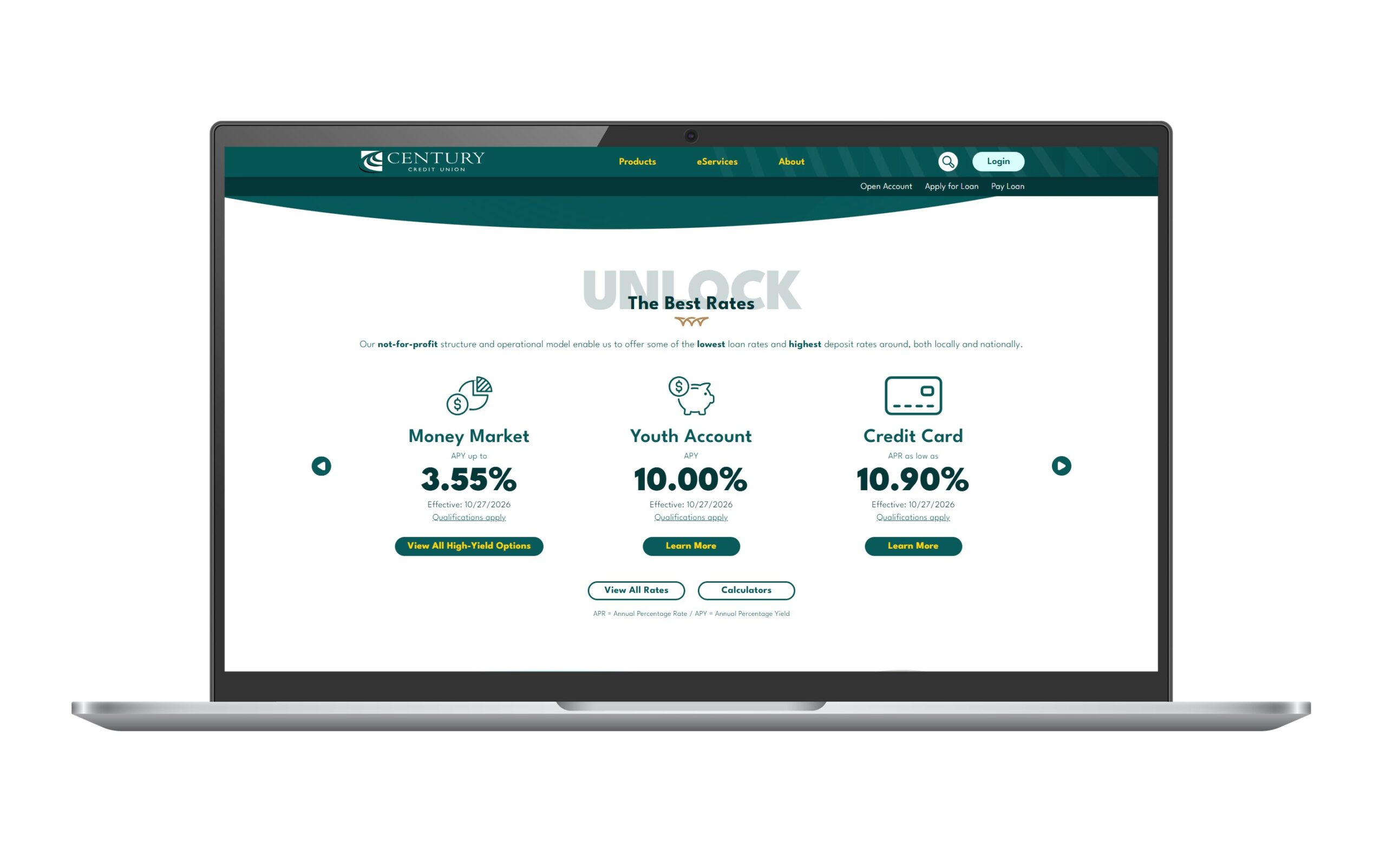
These examples are incredibly helpful. In fact, the more insight you can provide into what you like and don’t like, the easier it is for us to understand your preferences and create a website that aligns with your vision.
8. Who Is Part of the Project Team?
One thing we’ll discuss early in the process is who will be involved in reviewing and approving the website. Is everyone in the kickoff meeting considered part of the project team, or will additional people be providing feedback as designs and content are reviewed?
Understanding who will be involved helps us plan for approvals, feedback cycles, and communication throughout the project. While input from multiple departments is often beneficial, we’ve found that projects move most efficiently when there is a core team responsible for providing feedback. Too many reviewers can sometimes create conflicting opinions, competing priorities, and additional revisions.
Establishing those expectations early helps keep the project moving smoothly and avoids surprises later in the process.
9. What’s the Plan for Your Content?
Content is often one of the biggest factors affecting the scope and timeline of a website project. Simply put, are you planning to keep your existing content or will you rewrite it as part of the redesign?
In many cases, the content itself isn’t the problem. A lengthy business banking page may contain the right information but would benefit from better organization through accordions, FAQs, cards, or clearly defined sections that make it easier to scan and understand. Sometimes a redesign is less about changing content and more about improving how that content is presented.
Other institutions use their redesign as an opportunity to refresh messaging, rewrite product descriptions, and better align content with their current goals and brand voice. This may also be an opportunity to gather fresh testimonials, member stories, or customer success stories that can help build credibility throughout the site.
10. How Will We Measure Success?
Before the project begins, we want to understand what success looks like after launch. For some institutions, success may mean increasing online account openings, loan applications, or appointment requests. For others, it may mean driving more users to digital banking tools, improved mobile engagement, or reduced routine support calls.
By defining success metrics early, we can ensure every design, content, and functionality decision supports those objectives throughout the project.
Final Thoughts
A website redesign is about much more than creating a fresh look. It’s about understanding your audience, supporting your business goals, and delivering a better experience for the people who use your website every day.
That’s why the kickoff meeting is such an important part of the process. The more we learn about your institution, your audience, your content, and your goals, the better equipped we are to build a website that works for your team and your account holders. Those early conversations help create a smoother project, a stronger strategy, and ultimately a website that delivers meaningful results long after launch.
Did you like this blog post?
Get more posts just like this delivered twice a month to your inbox!
